Chiropractic Care & N.I.S.

with Dr Smart

Your body is telling you something.
Let’s understand what’s getting in the way.

Maybe something hurts. Maybe an old problem keeps returning. Your movement has changed, you're recovering from an injury, or your body simply isn't functioning or performing the way you'd like.

Dr. Ryan Smart provides personalized chiropractic care in Silverdale, WA that begins by understanding what you're experiencing and how your body is functioning—not simply where it hurts.
SCHEDULE WITH DR. SMART

Pain isn't the whole story

Pain can be useful information, but it isn't the only way your body communicates that something has changed.
‍
Sometimes you feel it. Sometimes you notice something has changed.
And sometimes understanding what's happening means looking at how your body is functioning as a whole.

What are you feeling?

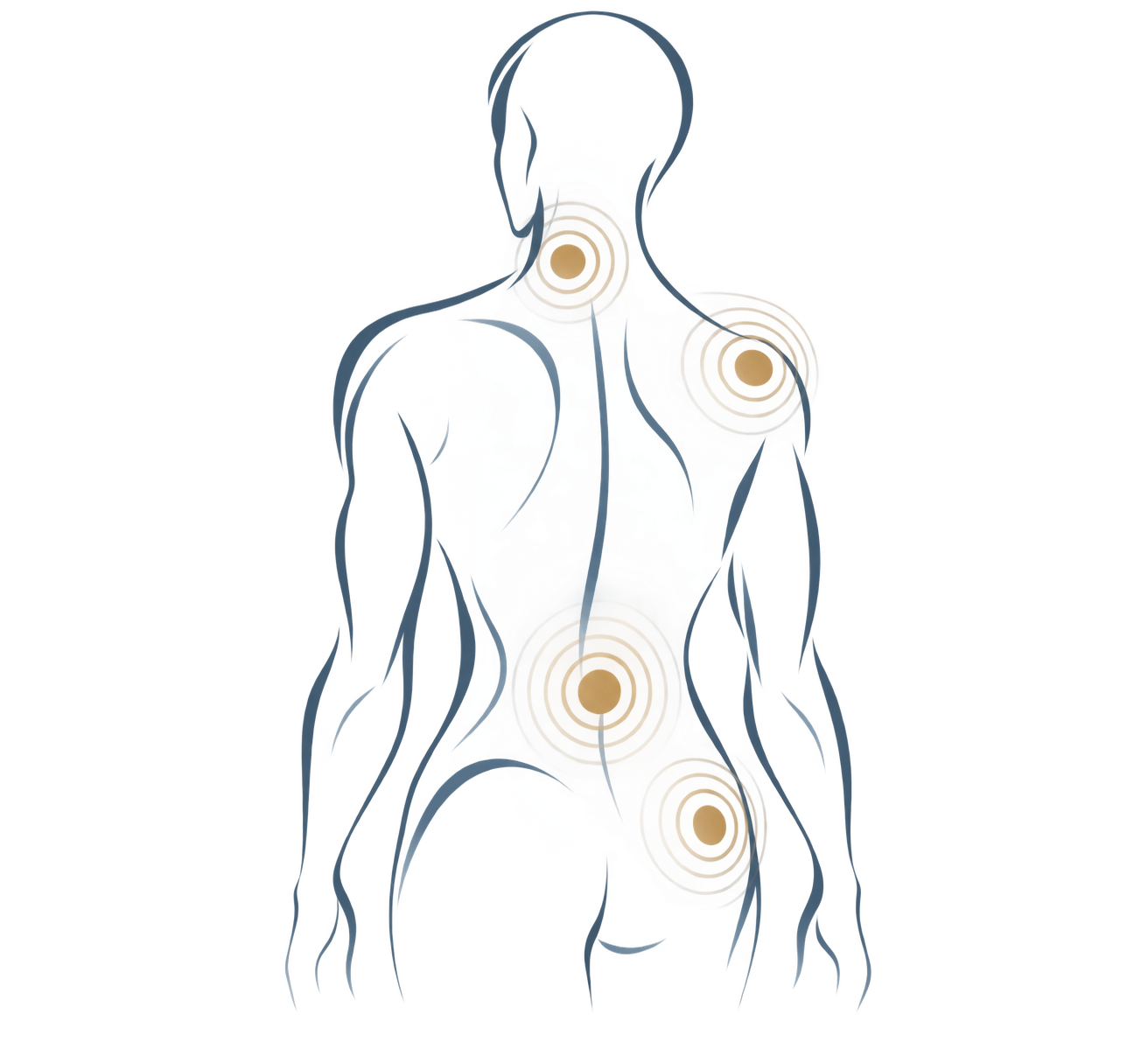
Pain, stiffness, tenderness, headaches, or recurring discomfort can tell you that something deserves attention.
But where you feel it is only one piece of information.

What has changed?

Maybe your movement feels different. You're not as strong, mobile, balanced, or coordinated as you were. Recovery takes longer, or something you normally do has become more difficult.

What is your body doing?

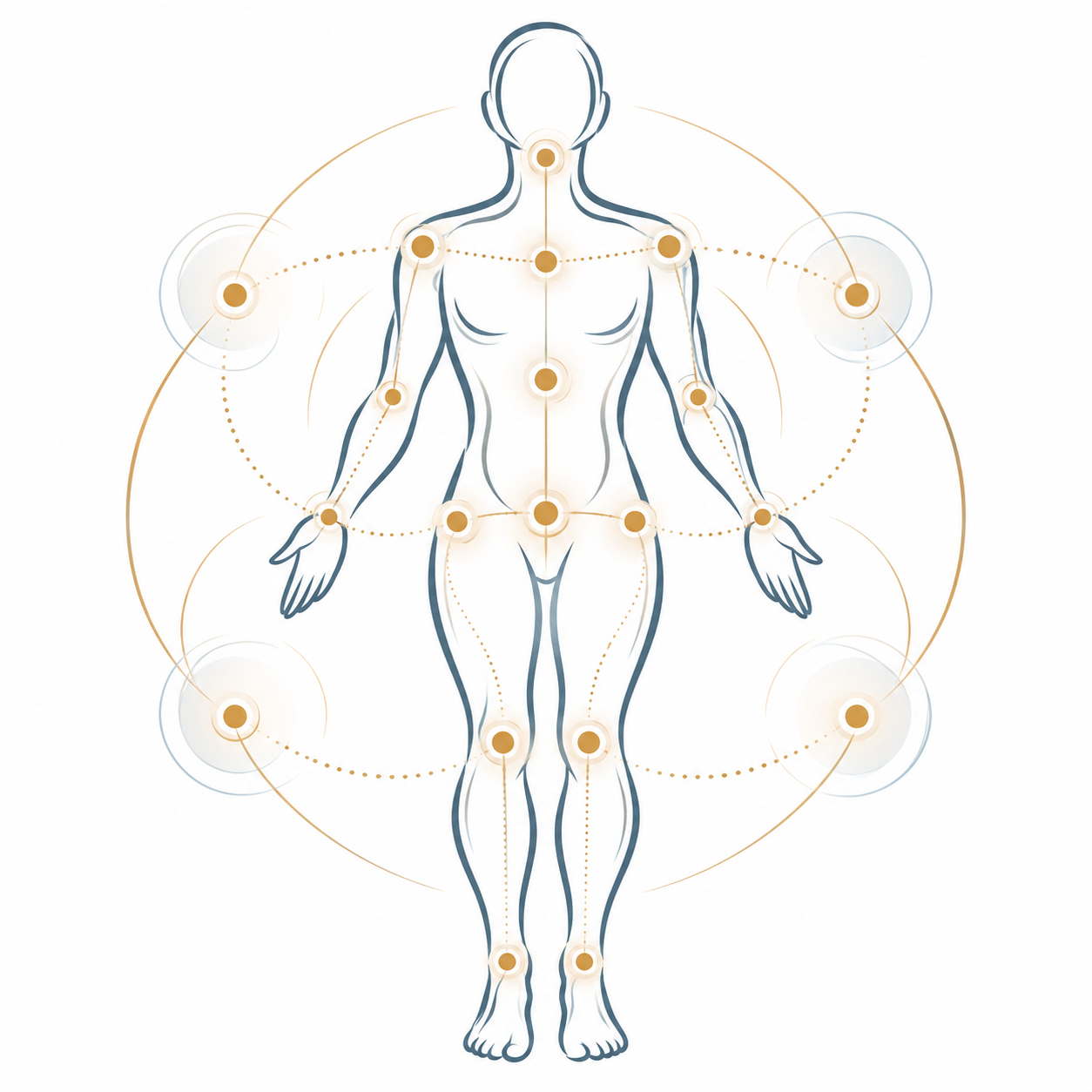
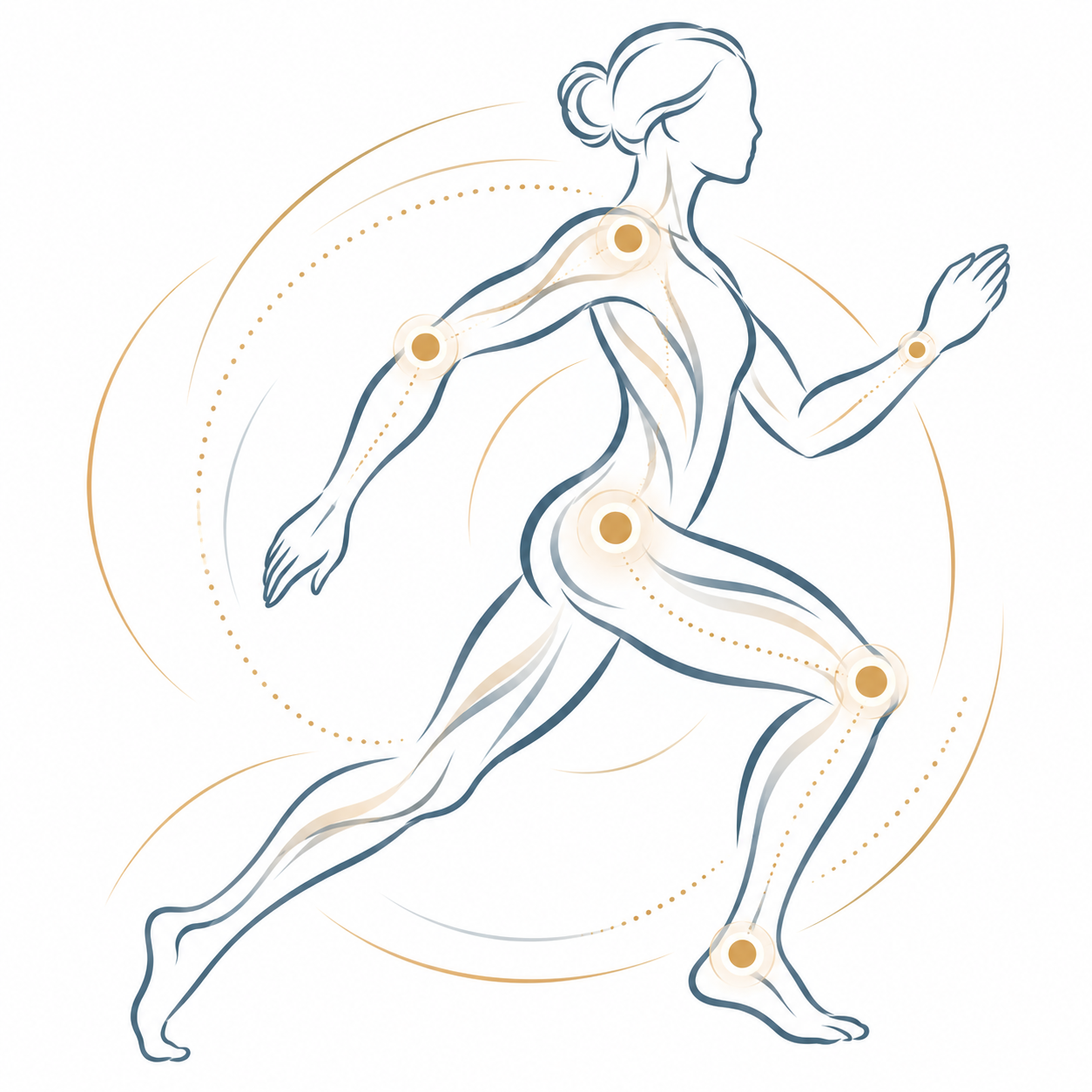
Dr. Smart looks beyond the symptom to evaluate how different areas of your body are moving and functioning together. This helps him better understand what may be contributing to what you're experiencing.
You don't have to wait until you're in significant pain to pay attention to what your body is telling you.

Your care starts with an examination—not a technique.

Dr. Smart doesn't decide what your body needs simply because you booked a chiropractic appointment.

Your health history, what you're experiencing, what you want to be able to do, and what he finds during your examination help determine what comes next.

Depending on your concerns, your evaluation may include movement and range of motion, areas of restriction or tenderness,
orthopedic or neurological testing, muscle function, and other findings relevant to your situation.

CHIROPRACTIC CARE

For how your body moves, functions and adapts.

Chiropractic care focused on understanding and
addressing how your body is moving and functioning.

Tools may include:
Gonstead, Diversified, Y-Strap, Zone Technique, ABC,
Applied Kinesiology, fascial/soft-tissue work,
movement and exercise & body mechanics guidance.
Schedule Chiropractic

NEUROLOGICAL INTEGRATION SYSTEM (NIS)

A more extensive neurological approach.

A longer, separate appointment using the NIS neurological framework to explore relationships between different areas and functions of the body.A longer, separate appointment using the NIS neurological framework to explore relationships between different areas and functions of the body.

What makes it different: More time for neurological assessment and a broader NIS evaluation based on what you're experiencing and what Dr. Smart finds.
New to NIS? Start with the 30-minute New Patient NIS Visit.
Schedule nis
You don't need to decide which technique you need.
Dr. Smart's job is to determine which tools are relevant based on what you're experiencing and what he finds.

‍

Not sure which one is right for you?
‍
Start with a free phone consultation and Dr. Smart will help you determine which appointment is the appropriate place to begin.
Free Phone Consult

You don't have to know what's wrong to know something has changed.

  • Something hurts or keeps coming back
  • You're feeling stiff or aren't moving like you normally do
  • You're recovering from an injury
  • You've noticed changes in strength, balance or coordination
  • An activity you enjoy has become more difficult
  • Your body isn't recovering or performing the way you'd like
  • You simply know something doesn't feel right
You don't need to know which technique you need—or exactly what's causing the problem—before you come in. That's part of what the evaluation is for.

Care should change as you change.

What your body needs today may not be what it needs several weeks from now.
‍
As you respond to care, Dr. Smart continues to consider what has changed, what is improving,
what remains limited, and what you're trying to get back to doing.
‍
That means your care doesn't have to look exactly the same at every visit. The approach can change as your needs change.

At each visit, Dr. Smart reassesses how your body is responding.
Rather than assuming you need the same thing because it was appropriate at your last visit,
he looks at where you are today and uses that information to determine what comes next.
‍

What changed?

How are you feeling, moving, functioning, or performing differently since your last visit?

What still needs attention?

Are there movements, activities, symptoms, or limitations that haven't changed the way you hoped?

What makes sense now?

What Dr. Smart finds today helps determine which tools and approaches are appropriate today—not simply what was done at your previous visit.
Your care should reflect where you are today—not simply where you started.

What is NIS?

Remember playing the telephone game as a kid?

You started with a message and whispered it to the person next to you. They passed it along until the message reached the last person.

By the end, everyone usually laughed because the message wasn't quite the same as the one that started the chain.

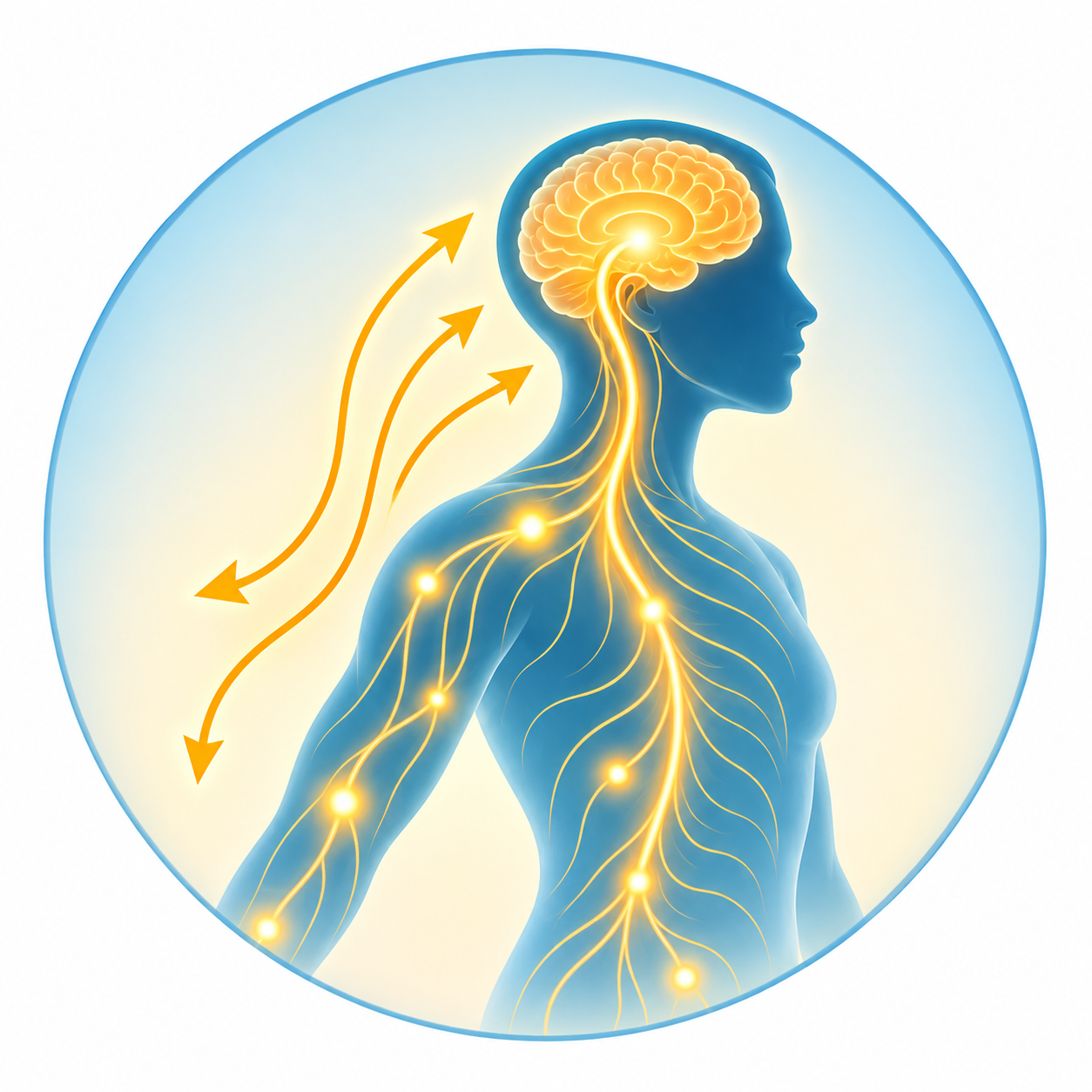
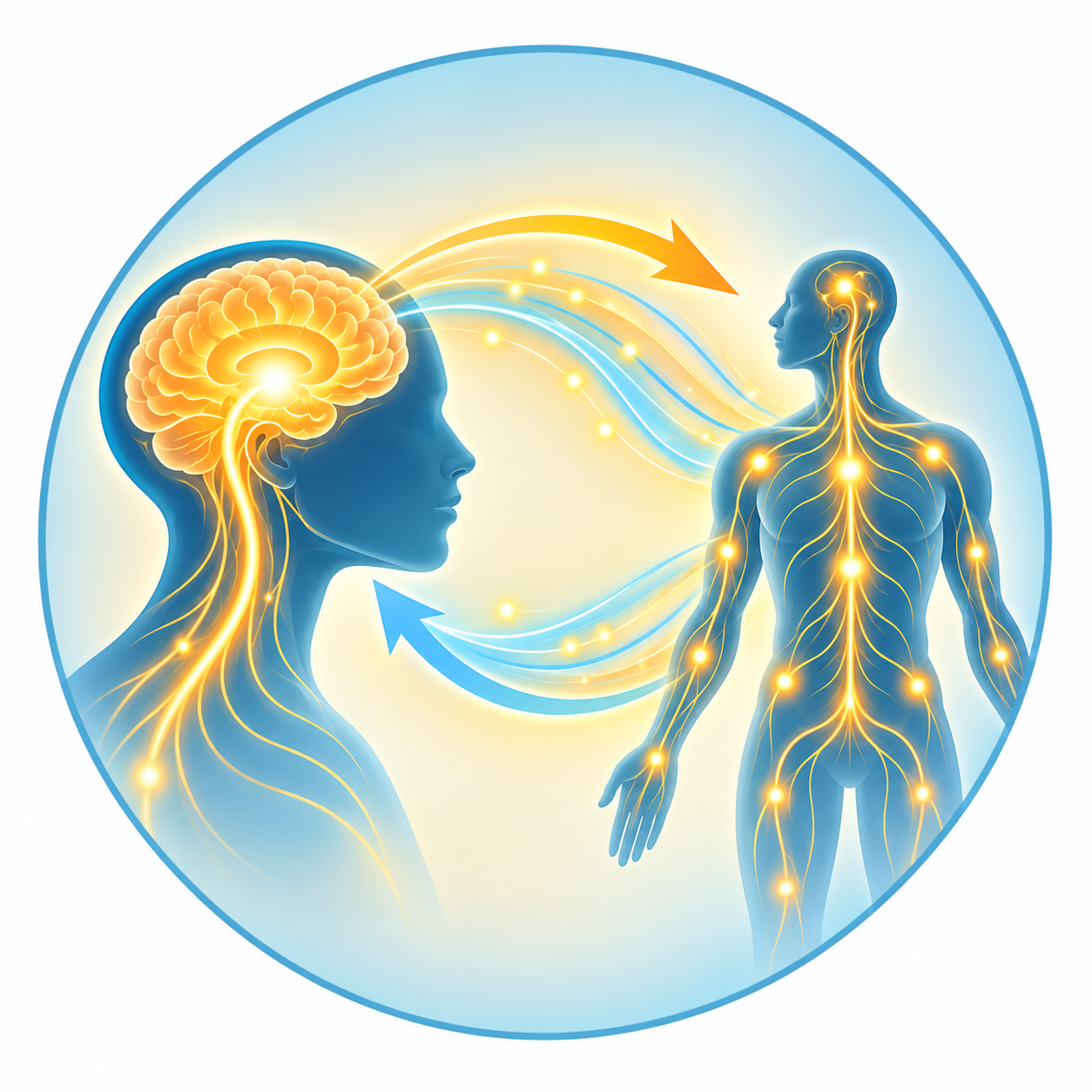
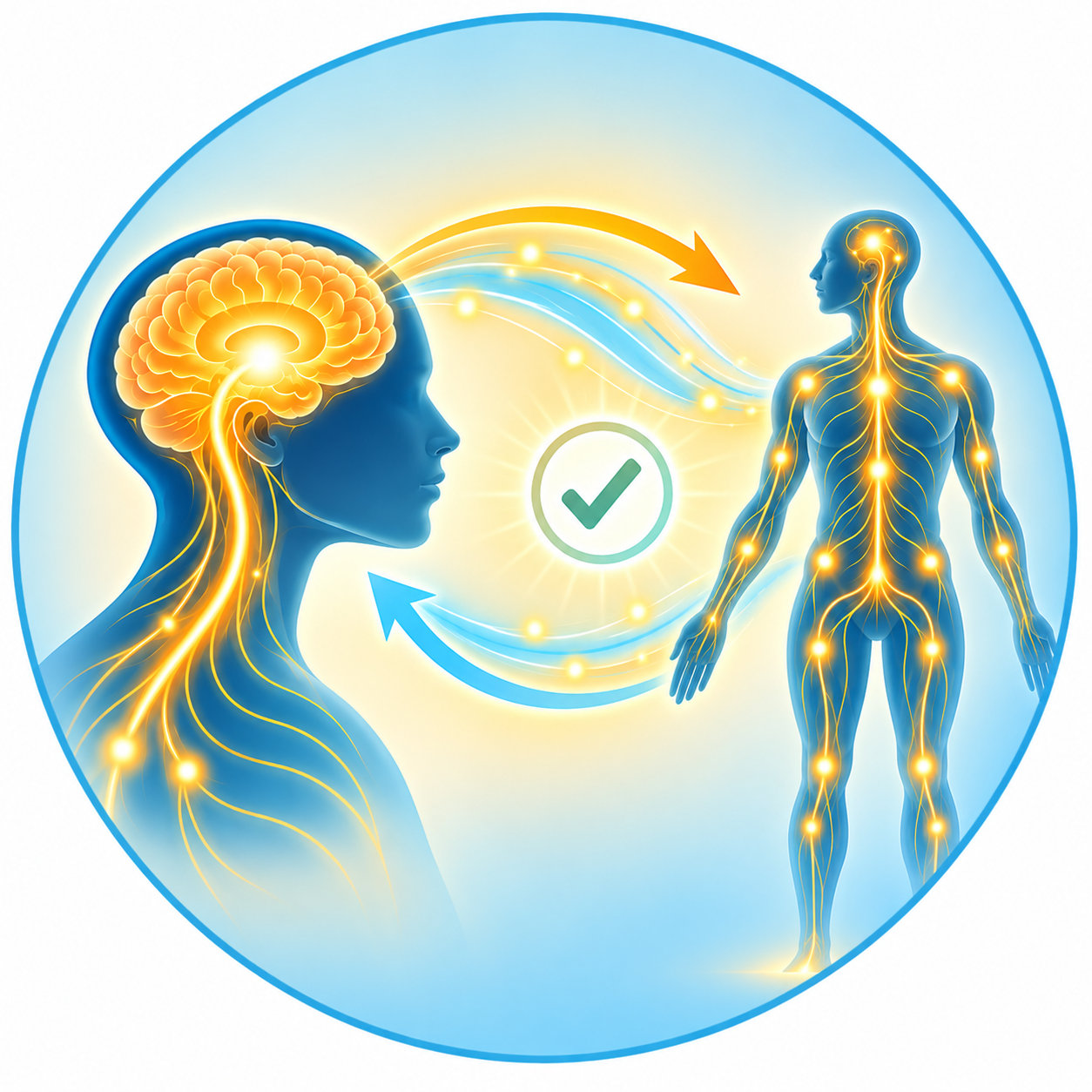
Your brain and body are communicating with each other all day long. Your brain receives information from throughout your body, interprets it, and sends information back.

The telephone game gives us a simple way to picture what NIS is interested in:
What happens when communication between the brain and an area of the body isn't being interpreted or responded to the way we expect?

NIS looks at the communication.

During an NIS visit, Dr. Smart uses a structured neurological assessment along with applied muscle testing as feedback to explore connections between the brain and different areas of the body.

Within the NIS framework, he is essentially asking:
‍
‍Is this line of communication responding as expected?
Is the information being received and interpreted appropriately?
Could the body still be responding to an old message that is no longer relevant?
Is something interfering with the communication between the brain and this area of the body?

‍
When the assessment identifies a relationship that may need attention, Dr. Smart uses the NIS process to provide specific sensory input and then retests the response.

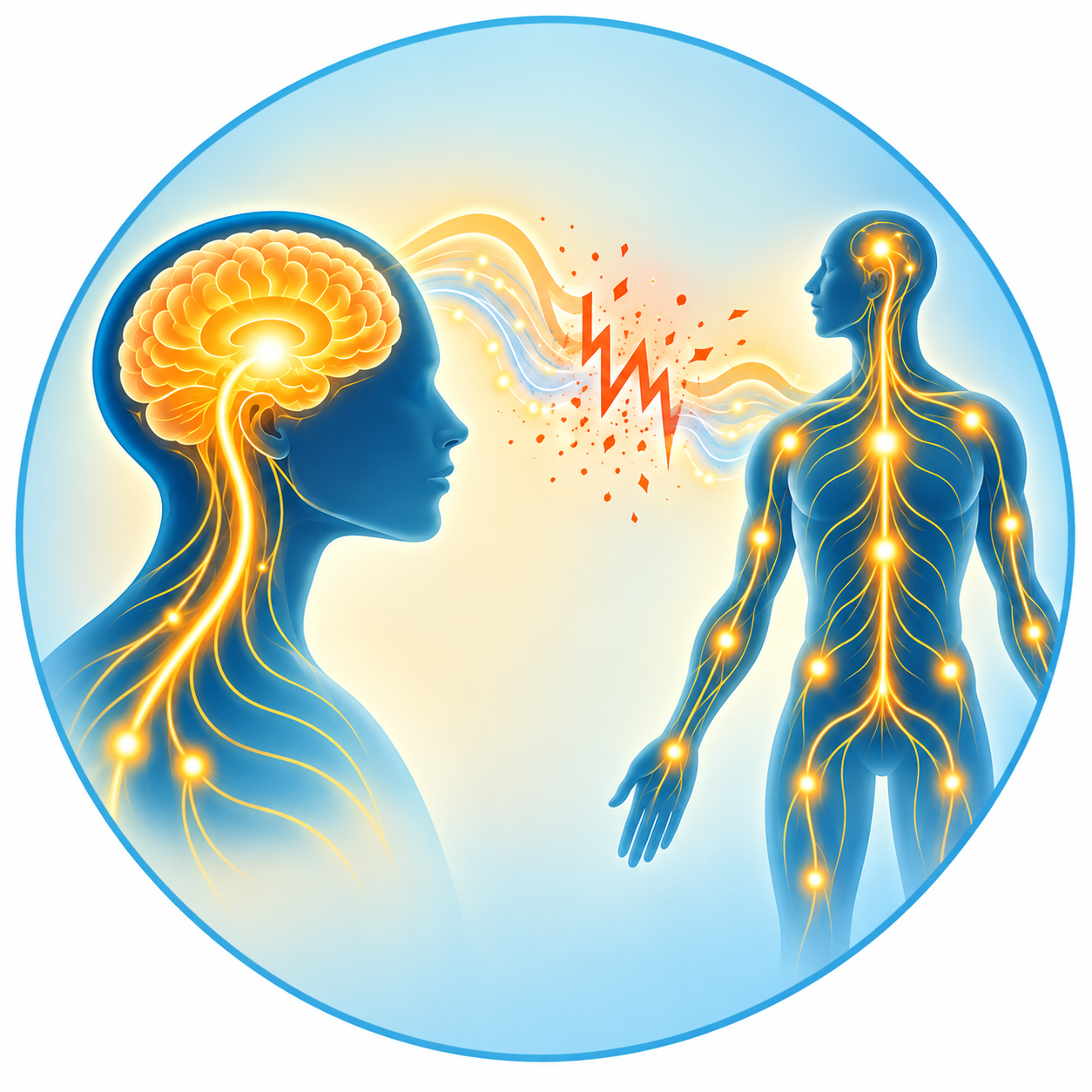
Sometimes it’s like a phone left off the hook.

Imagine a telephone that has been left off the hook.

The phone isn’t necessarily broken, and neither is the person on the other end. But while the receiver is off the hook, the line can’t communicate the way it normally would.

That’s one way to think about what NIS is looking for.

Within the NIS framework, sometimes the assessment suggests that a communication pathway may still be responding to an old message, may not be responding as expected, or may need new information introduced into the system.

Dr. Smart uses the NIS process to provide specific sensory input and then reassesses the muscle response.

‍Like placing the receiver back on the hook, the goal is to give the system an opportunity to receive and respond to new information.

The Recheck

After Dr. Smart introduces specific sensory input, he repeats the muscle test to see whether the response has changed.The recheck is an important part of the NIS process.
‍
Rather than assuming the input had an effect, he asks the same question again and observes whether the body responds differently.

‍
In our telephone analogy, it's like picking up the receiver after placing the phone back on the hook:

‍Is the line communicating differently now?
NIS gives Dr. Smart a structured way to ask a question, observe the body's response, introduce new information, and then ask the question again.

Insurance & Payment

Eligible chiropractic services may be billed to participating insurance plans. Coverage varies by plan and by the services provided,
and having chiropractic benefits does not necessarily mean every visit or service is covered.

NIS and other services that are not covered by your insurance plan may be available as self-pay care.
‍
Current appointment options, visit lengths, and prices are available when you schedule online.

with Dr Smart

Meet Dr. Ryan Smart

Smiling man with short light brown hair wearing a black sweater standing outdoors with green foliage in the background.

For Dr. Smart, the question has never been simply,
“Where does it hurt?”

Over the years, his approach to chiropractic has developed around a different question:
‍
What is keeping this person from functioning
the way they want to?
‍
That question is why Dr. Smart doesn't rely on a single technique. His experience has led him to study and incorporate different approaches to chiropractic, movement, muscle function, soft tissue, body mechanics, and neurological assessment.

Sometimes the answer is straightforward. Sometimes what a person is experiencing requires looking beyond the place where they feel the problem.

Either way, his job isn't to make your body fit a particular technique.

It's to listen to what you're experiencing, evaluate what he finds, and determine which tools make sense for the person in front of him.
‍